The story in simple terms
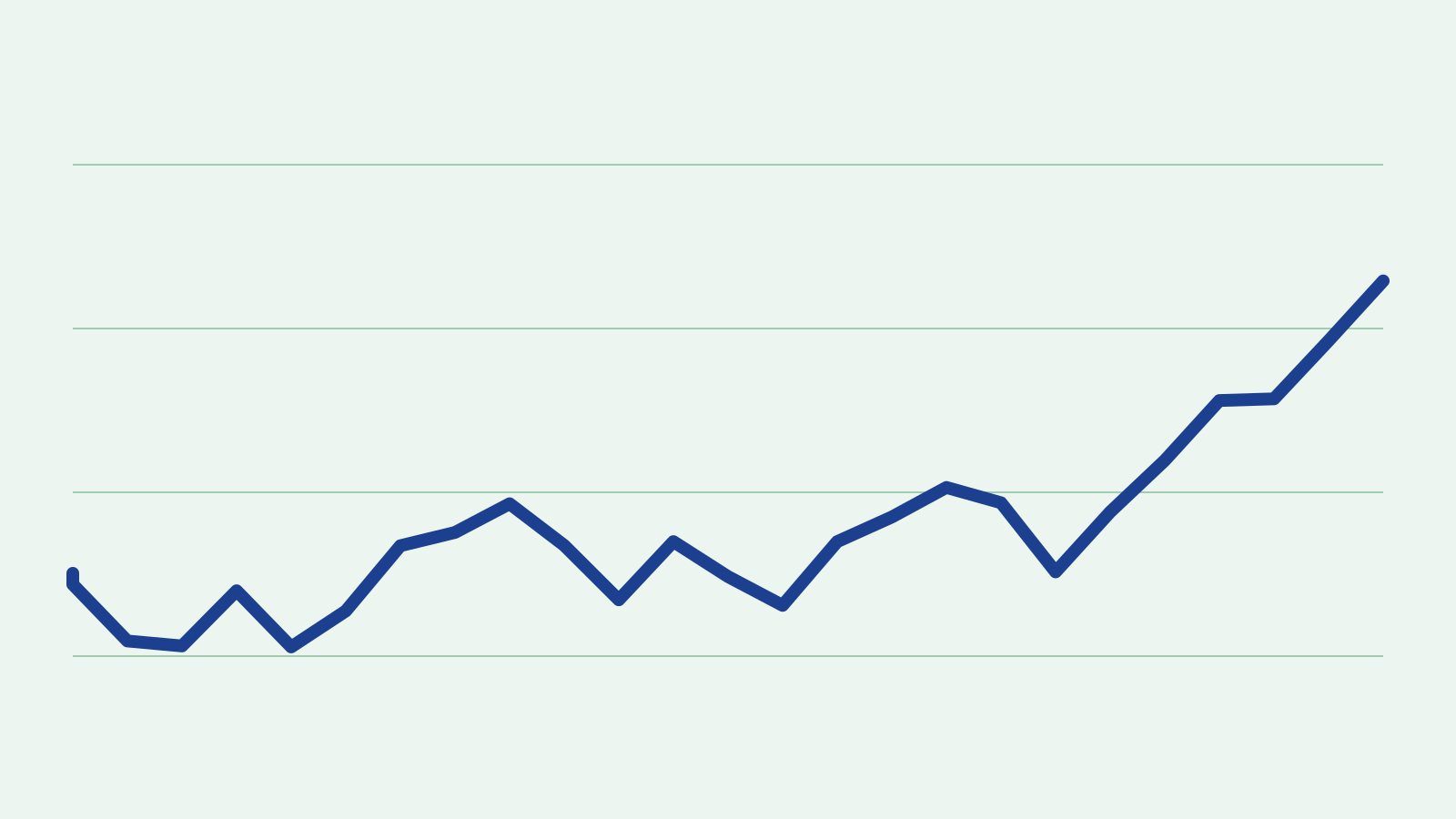
The latest US jobs report suggests that the American labour market is cooling significantly, although it has not yet collapsed.
In September 2026, US employers added only 29,000 jobs, dramatically below economists’ expectations of around 90,000. The previous two months were also revised downward by a combined 60,000 jobs.
At the same time, unemployment rose slightly from 4.1% to 4.2%. That number by itself doesn't look alarming, but the combination of weak hiring, downward revisions and slower wage growth suggests that employers have become increasingly cautious.
Why does this matter?
Think of the labour market as the engine of the economy.
When companies are confident:
Businesses hire → people earn more → people spend more → businesses sell more → businesses hire more.
That's a positive economic cycle.
But when companies become uncertain:
Businesses stop hiring → fewer people find jobs → wage growth slows → consumers become cautious → economic growth can weaken.
That is why economists pay so much attention to monthly employment figures.
The interesting part: unemployment isn't actually very high
This is where the story becomes more complicated.
The unemployment rate is still only 4.2%, and the Bureau of Labor Statistics says it has remained between 4.1% and 4.3% since March.
So this isn't a situation where millions of people are suddenly being laid off.
Instead, the problem is more accurately described as a “low-hire, low-fire” labour market: companies aren't firing workers on a massive scale, but they aren't creating many new jobs either.
That distinction is important.
Wages are slowing too
Average hourly earnings increased by just 0.1% in September, while annual wage growth slowed to 3.0%.
For workers, slower wage growth means their incomes are growing more slowly.
For the Federal Reserve, however, slower wage growth can be helpful because very rapid wage increases can contribute to inflation.
And this creates the central economic dilemma.
The Fed has a problem
The Federal Reserve has two major objectives:
- keep inflation under control
- support maximum employment
Normally, if the economy is overheating and inflation is high, the Fed can raise interest rates.
Higher rates make borrowing more expensive → consumers and businesses spend less → demand falls → inflationary pressure falls.
But there is a cost:
higher interest rates can also weaken hiring and economic growth.
The latest jobs report therefore gives the Fed another reason to be cautious about further rate increases. Markets have already reduced their expectations for another October rate rise.
But here's the twist
You might think:
“Weak jobs = bad news.”
Not necessarily.
For the stock market and bond market, weak employment data can actually be good news because investors may conclude that the Fed won't need to keep raising interest rates aggressively.
Lower expected interest rates can make stocks more attractive and push bond yields lower.
So the same piece of economic news can be:
Bad for workers → potentially bad for economic growth → but good for financial markets.
That's one of the most important ideas in macroeconomics.
The bigger question
The real question isn't whether September's 29,000 jobs are terrible.
It is:
Is September an isolated weak month, or is it evidence that the US economy is entering a broader slowdown?
At the moment, the evidence points toward a cooling labour market rather than an outright collapse. The unemployment rate remains relatively low, and BLS data show that the labour-force participation rate actually increased to 61.8% in September.
But the combination of weak hiring, downward revisions and slower wage growth deserves attention.
In FT-style language, the story is therefore less “America's jobs market is collapsing” and more: