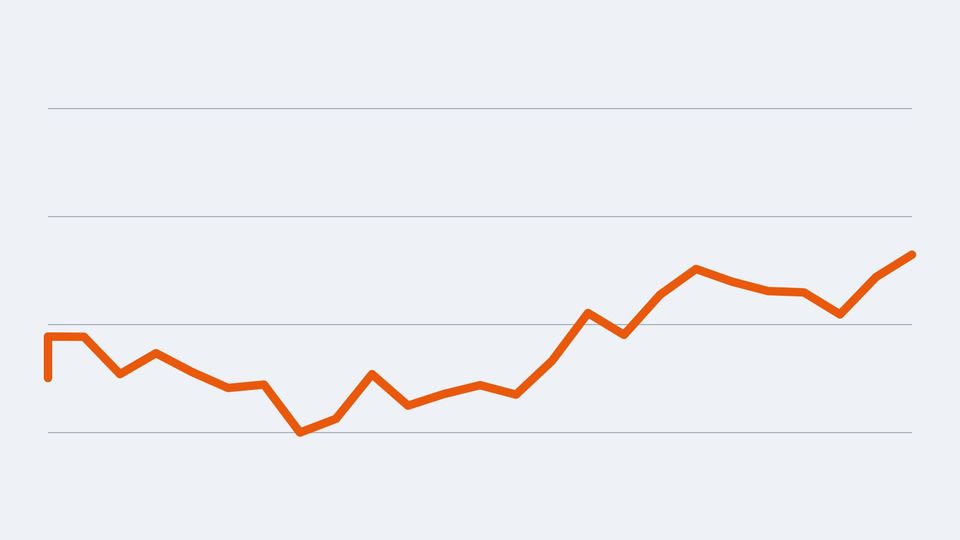
When officials say inflation is “coming down”, they usually mean prices are rising more slowly than before, not that they are going back to where they were. For shoppers, that distinction matters enormously.
Inflation falling means prices are rising more slowly. It does not mean they are going back down.
The bigger picture
Price levels tend to be sticky. Once a supplier has raised the cost of a loaf of bread or a litre of cooking oil, it rarely cuts it again unless competition forces it to. That is why a period of high inflation can leave a lasting mark on household budgets long after the headline rate has calmed.
Wages are the other half of the story. If pay rises faster than prices, people slowly regain the ground they lost. If it does not, the squeeze continues, even in a year that looks calm on paper.
What you can do
- Compare unit prices, not pack prices
- Track your own “personal inflation” over a few months
- Watch wages as closely as prices
This is sample content created for the demo site. Edit or delete it from the dashboard.